Capurso is the other Puglia: A village that surprises you every day. With over 200 annual events and a prime location, it's the ideal starting point for exploring the region and soaking up the Apulian spirit.
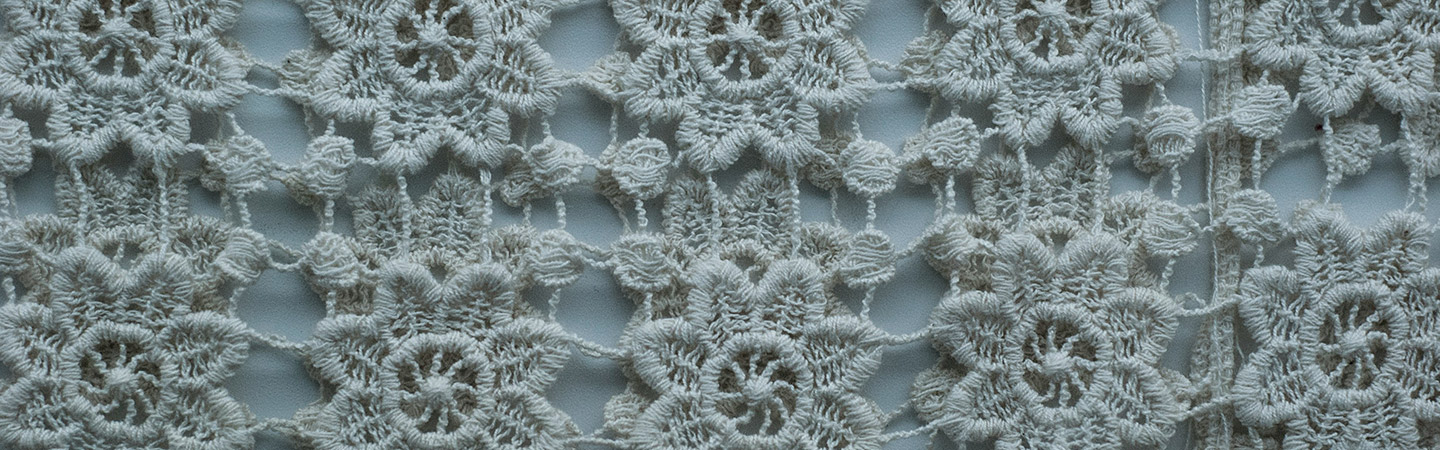
Capurso it is also defined “land of lace” A tradition born in the 19th century when, during the "French Decade," the ten years of Napoleonic rule that briefly replaced the Bourbons, Joseph Bonaparte, Napoleon's brother, ordered that all schools in the conquered territories teach girls the art of weaving, which was very popular in France. Some of the most important cities for lace production in France were Alençon, Valenciennes, and Chantilly, and French lace schools focused on transmitting traditional techniques, both needle and bobbin, and on preserving lacemaking heritage.
Thus this tradition spread to all the territories conquered by Bonaparte, and the girls of Capurso learned the art of crochet from the French teachers , which they then passed on to their daughters and their daughters' daughters. Thus, even after the French decade, the art of lace remained rooted in the country, so much so that the less wealthy women began to sell doilies, placemats, curtains, and hems for towels and sheets, giving rise to a true lace industry.
In 1914 the production at Capurso it was so flourishing that Vito Lonero, son of an important lace entrepreneur, decided to open a lace factory in Manchester but the production remained in Capurso on the shoulders of young women who were often underpaid. Subsequently the "scamps” who bought lace from women at negligible prices and resold it in various cities at much higher prices. The word “scamps” comes from the fact that they would scamper from city to city to resell their products. Starting in the 50s, lace from Capurso They arrived with the "sgammitte" (lace smugglers) to the beaches of Rimini and Jesolo and were then purchased by Italian women and foreign tourists. Today, production has almost completely disappeared due to competition from Chinese production; it remains only a pastime for a few elderly ladies from Capurso who still lovingly dedicate their time to it, like the oldest lacemaker in Italy, who died at the age of 108. Maria Concetta Egidio.